


Laundry is one of those household chores that seems simple until you realize how many little things can make it frustrating. You need detergent, somewhere to put dirty clothes, a way to handle stains, something for delicate items, and a place to dry or organize everything afterward. When those supplies are scattered between the bathroom, bedroom, kitchen, and laundry area, even a normal wash can feel like a small project.
The good news is that you do not need a huge laundry room or a cabinet packed with specialty products to create practical laundry essentials for home. The right home laundry essentials can create a simple setup that works whether you live in a large house, a compact apartment, or a home where the washing machine sits in an unexpected corner. The goal is to build a system around the way you actually do laundry rather than buying every product that happens to appear on a laundry aisle.
This guide breaks down what you genuinely need, what can wait, and what is simply a convenient upgrade. It also covers laundry essentials for beginners, new homes, small spaces, and laundry areas without a dedicated room, along with practical buying advice for Amazon shoppers.
Affiliate disclosure: Some links in this article may be affiliate links. If you purchase through one of these links, we may earn a commission at no additional cost to you.
Table of Contents
What Are Home Laundry Essentials?
Home laundry essentials are the basic supplies and tools you need to wash, dry, handle, and organize clothing and household fabrics efficiently. For most households, that means laundry detergent, a hamper or basket, stain treatment, a way to dry clothes, and a few simple accessories for delicate garments and clothing care.
Not everything sold as a laundry product deserves a permanent place in your home. It helps to divide your supplies into three levels: essential, helpful, and optional. Detergent is essential because you cannot realistically maintain a regular laundry routine without some form of suitable washing detergent. A hamper is also essential because dirty clothes need a predictable destination instead of becoming a pile on the floor.
Helpful items solve common problems. Mesh laundry bags, for example, are particularly useful for small or delicate items, while a drying rack becomes valuable if you air-dry clothes or lack enough dryer capacity. Optional products are the convenience upgrades: extra sorting bins, specialized organizers, garment steamers, decorative storage, and similar accessories.

Essential vs Helpful vs Optional
Think of the categories this way:
| Category | Examples | Priority |
| Essential | Detergent, hamper, basket, stain treatment | Buy first |
| Helpful | Mesh bags, drying rack, hangers, lint roller | Buy when useful |
| Optional | Extra organizers, specialty tools, upgrades | Buy later |
This approach prevents a common mistake: spending money on a beautifully organized laundry room before you have the basic supplies needed to actually wash your clothes.
Home Laundry Essentials Checklist
A practical laundry essentials checklist should cover the entire laundry cycle, while a detailed laundry essentials checklist can help you decide what to buy first rather than focusing only on washing. You need something to collect dirty clothes, something to clean them, tools for problem garments, and accessories for drying and putting everything away.
1. Laundry Detergent
Laundry detergent is the foundation of almost every household laundry setup. Choose a type compatible with your washing machine and your usual laundry needs, and pay attention to the manufacturer’s dosage instructions rather than assuming more detergent means cleaner clothes.
Liquid, powder, and single-use formats can each suit different households. A liquid can be convenient for pretreating certain spots, while powder can work well for general loads. If you have children, pets or frequent spills, you may place greater value on a detergent suited to heavier soil.

- 6X BOOSTED CLEAN: Tide liquid laundry detergent is engineered to be 4X cleaner and 2X fresher vs Tide Simply liquid dete…
2. Laundry Hamper
A hamper gives dirty clothes a designated home before wash day. Without one, laundry tends to migrate from the bedroom floor to a chair, then to the bathroom, and eventually into a confusing pile that needs sorting.
For everyday use, look for a hamper that is lightweight, easy to carry, and simple to clean. A washable liner can be especially useful because hampers themselves eventually collect dust, lint, and odors.

- SPACE-SAVING & COLLAPSIBLE: With a pop-up and collapse feature that takes mere seconds, you’ll save valuable storage spa…
3. Laundry Basket
A basket is different from a hamper because it is mainly useful for transporting clean or dirty laundry. A sturdy basket makes it much easier to move clothes from the washer to a drying area or from the dryer to a bedroom.
If your laundry area is far from your bedrooms, prioritize comfortable handles and manageable weight. A collapsible basket can also make sense when storage space is limited.

- Generous 75L Capacity: Measuring 15.7″ L x 11.8″ W x 24″ H (40 x 30 x 61 cm), this hamper offers a spacious 75-liter cap…
4. Stain Remover
A stain remover is one of the most useful additions to a laundry supplies checklist because stains are much easier to handle when they are treated before they become permanent.

- Doesnt contain bleach
- #1 instant stain remover (based on sales)
5. Mesh Laundry Bags
Mesh bags are particularly useful for delicate garments, small clothing items, and anything that could become tangled or separated during a wash. They can also keep small items together so you do not have to search through an entire load for one missing sock.
You probably do not need a dozen. A small set of different sizes is usually enough for a typical household.

- Perfect Combination: 7 set different size laundry mesh bags fit all your washing needs. Especially good for delicates, l…
6. Drying Rack
A drying rack becomes essential if you do not have a dryer, regularly air-dry clothing, or own garments that should not go through high heat. It is also a useful backup when the dryer is already occupied.
For small homes, look for a foldable design that can be stored behind a door, beside a wardrobe, or under furniture when not in use.
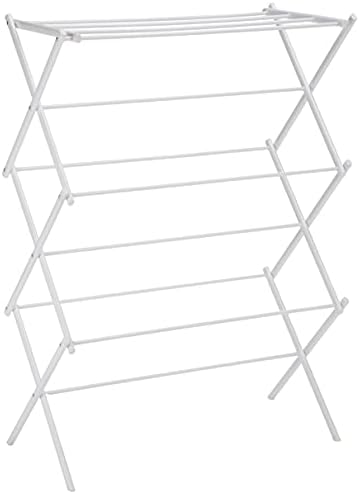
- Clothes drying laundry rack for energy savings and gentle air drying so clothes last longer; for indoor use
7. Clothes Hangers
Hangers help you move suitable clothing directly from washing or drying into your wardrobe. They are especially useful for shirts, dresses, trousers, and garments that wrinkle easily.
You do not need to purchase an enormous supply immediately. Start with enough for the garments you regularly hang and add more as your routine develops.

- INCLUDES: 50 suit clothes hangers in Black/Silver for keeping shirts, blazers, slacks, and more neatly hung and organize…
8. Clothespins
Clothespins are inexpensive but useful if you line-dry clothing, use a balcony, or have an outdoor drying area. They can also help secure lightweight items on a drying rack.
Choose durable clips that open smoothly and grip fabric without leaving excessive marks.

- Premium Natural Wood & Classic Design: Crafted from 100% natural, high-quality wood, these traditional clothespins featu…
9. Lint Roller
A lint roller is a small accessory with a surprisingly broad range of uses. It can remove pet hair, loose fibers, dust, and surface debris from clothing after washing or before wearing.
It is not essential for everyone, but households with pets or dark clothing may find it particularly useful.

- LINT REMOVER for clothes, pet hair, furniture and more
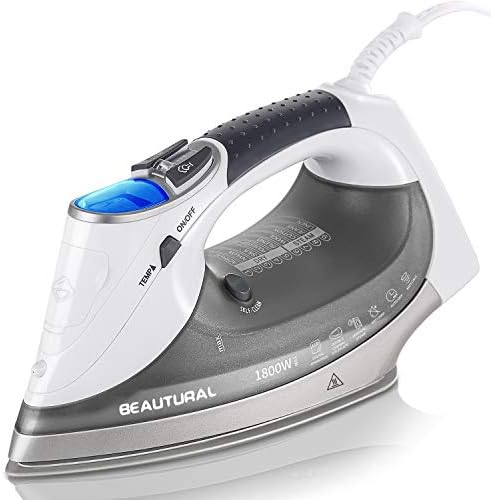
10. Iron and Ironing Board
An iron is useful when you regularly wear formal clothing, school uniforms, work shirts, or garments that need crisp finishing. If most of your wardrobe consists of casual fabrics, however, you may not need to prioritize it.
A compact ironing board can be a better choice for small homes than a full-size model. Store it vertically when possible.

11. Laundry Measuring Cup
A measuring cup or dosing tool helps prevent detergent overuse. This sounds minor, but measuring matters because detergent manufacturers formulate products around particular quantities.

- Versatile Laundry Detergent Cup – Our laundry detergent cup is a versatile dispenser for liquid laundry detergent. It al…
12. Laundry Sorter
A laundry sorter separates clothes before wash day instead of making you sort a large pile at the last minute. A two- or three-section sorter can separate categories such as lights, darks, and towels.
However, this is not automatically essential. If you live alone or produce small laundry loads, one hamper and a quick sorting routine may be enough.
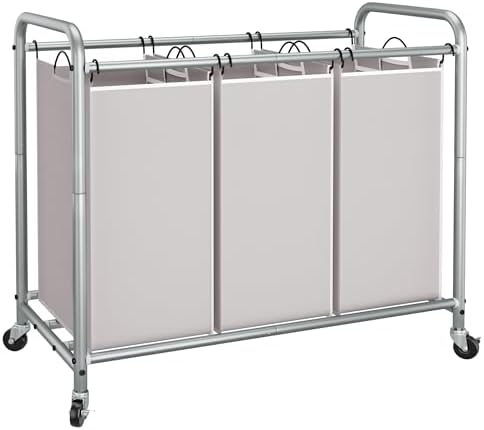
- Large Capacity: This 3-section laundry sorter (29.5″ L x 16.9″ W x 31.5″ H) includes three laundry bags, each offering a…
13. Storage Organizer
A small storage organizer keeps stain treatment, mesh bags, clothespins, measuring tools, and other accessories together. The best organizer is usually the one that fits your available space rather than the largest one you can buy.

- Unique Trapezoid Design: Our closet bins feature a unique trapezoid design with a lower front for easier visibility and …
14. Cleaning Cloths
Keep a few washable cloths near the laundry area for wiping detergent spills, dusting surfaces, cleaning the exterior of machines, or dealing with small messes.

- ULTRA SOFT MATERIAL & SCRATCH FREE – Ultra soft and highly absorbent microfiber cleaning cloths, great for cleaning wind…
Must-Have Laundry Essentials
If you want the shortest possible list, start with five core laundry essentials: detergent, a laundry hamper, a laundry basket, stain treatment, and a practical drying solution.
That is enough to establish a functional system in many homes. You can add mesh bags if you own delicate clothing, hangers if you frequently air-dry garments, and an iron if your wardrobe requires wrinkle-free finishing.
The mistake is buying every accessory before learning your actual laundry habits. Run a few wash cycles first. You will quickly discover whether you need sorting bins, additional storage, more drying space, or specialized fabric-care products.
Laundry Essentials for Beginners
If you are doing laundry independently for the first time, keep your laundry essentials checklist deliberately simple so you have the basics without feeling overwhelmed. A beginner does not need a complicated collection of detergents, boosters, sprays, tools, and machines.
Start with:
- Laundry detergent
- A hamper
- A laundry basket
- Stain remover
- A few mesh bags
- A drying rack if needed
- Basic hangers
- A lint roller
Your first goal is not to become a laundry expert. It is to develop a repeatable routine: sort, check pockets, treat stains, wash according to care instructions, dry appropriately, fold or hang, and put everything away.
Care labels deserve particular attention when you are learning. They provide instructions for washing, drying, ironing, and bleaching, so checking the label is much safer than guessing based solely on how a garment looks. (American Cleaning Institute)
A simple routine also reduces mistakes. Before starting a load, check pockets, separate obviously different colors or fabrics, inspect stains, and avoid cramming the washer beyond its recommended capacity. Once those steps become automatic, laundry becomes much less intimidating.
Laundry Essentials for a New Home
Moving into a new house or apartment creates the perfect opportunity to build a laundry station from scratch. Instead of unpacking random supplies into whatever cabinet happens to be empty, think about where dirty clothes begin, where washing happens, where clothes dry, and where clean laundry ends up.
For a laundry essentials for a new home setup, use a laundry supplies checklist to prioritize detergent, a hamper, a basket, stain treatment, mesh bags, and whichever drying equipment your home requires first. If the washing machine and bedrooms are on different floors, choose a basket that is easy to carry.
New homeowners should also think about storage. A narrow shelf, cabinet organizer, or small set of bins can keep laundry supplies together without taking over the room.
Laundry Essentials for Small Spaces
Small-space laundry requires a different mindset. The question is not simply, “What products should I buy?” It is, “Where will every product live when I am not using it?”
For laundry essentials for small spaces, prioritize products that fold, stack, hang, or serve more than one purpose. A slim hamper can fit beside furniture, while a folding drying rack can disappear into a closet after use.
Vertical space is especially valuable. A wall-mounted shelf, over-door organizer, or narrow cabinet can hold detergent and accessories without consuming much floor area.
Consider these space-saving ideas:
- Use a slim or collapsible hamper.
- Choose a folding drying rack.
- Store detergent on a secure shelf.
- Use vertical storage rather than wide cabinets.
- Keep mesh bags together in one small container.
- Store clothespins in a compact lidded container.
- Use a basket that folds flat when empty.
- Keep frequently used supplies at easy-to-reach height.
Even when you are not replacing appliances, the same principle applies to accessories: use vertical space and reduce unused footprint.
Laundry Setup Without a Dedicated Laundry Room

Not every home has a beautiful laundry room with cabinets, countertops, shelves, and a sink. Sometimes the washing machine is in a bathroom. Sometimes it is tucked into a kitchen, balcony, hallway, utility closet, or outdoor area.
That does not prevent you from creating a good laundry station. You simply need a portable system.
For example, keep detergent and stain treatment in one secure container near the machine, use a collapsible basket for transporting clothing, and store a folding drying rack nearby. If the machine is in a bathroom, choose moisture-resistant storage and avoid allowing laundry supplies to sit where water can splash them.
A balcony setup may require a drying rack, clothespins, and weather-conscious storage. A kitchen setup may benefit from a narrow cabinet or high shelf so laundry supplies remain separate from food and cooking equipment.
Laundry Organization Essentials
Good laundry organization is less about having matching containers and more about reducing the number of decisions you make on wash day.
Keep the products you use every week closest to the washing machine. Less frequently used items can go higher or farther away. If several people share the laundry area, clearly defined locations prevent supplies from spreading throughout the house.
A simple organization system might look like this:
- Near the washer: detergent and measuring tool.
- Beside the washer: hamper or sorter.
- On a shelf: stain remover and mesh bags.
- Near the drying area: hangers and clothespins.
- In a drawer or container: lint roller and small accessories.
- In a separate secure area: laundry chemicals and concentrated products.
Safety should be part of organization, especially in homes with young children or pets.
Do not transfer laundry chemicals into unmarked food or drink containers. An organized laundry area should also be a safe laundry area.
How to Choose Laundry Products?
The right essential laundry supplies should fit your household rather than simply look impressive online.
Start with size. A large family may need a high-capacity hamper or multi-section sorter, while one person in a studio apartment may prefer something narrow and collapsible.
Next consider material and durability. Laundry baskets are repeatedly lifted while carrying damp clothing, so weak handles can quickly become frustrating. Drying racks should be stable enough that ordinary clothing does not cause them to tip.
Storage space is equally important. If you have limited room, folding or stackable designs often make more sense than large permanent organizers.
Think about ease of cleaning as well. A laundry hamper that cannot be wiped or washed may eventually become unpleasant, especially in humid environments.
Finally, consider value for money. The cheapest product is not always the least expensive over time if it breaks quickly. At the same time, paying extra for decorative features you will never use does not automatically improve your laundry routine.
Budget Laundry Setup
You do not need to purchase your entire laundry setup on moving day. A phased approach can save money and help you understand which products actually improve your routine.

Buy First
Prioritize detergent, a hamper, a basket, stain treatment, and a drying method. If you have a dryer and do not air-dry clothing, you may not need a drying rack immediately.
Buy Later
Add mesh bags, hangers, clothespins, a laundry sorter, and a storage organizer once you understand your routine.
Optional Upgrades
Extra sorting compartments, specialized storage systems, upgraded ironing equipment, and additional accessories can wait until you have a clear reason to buy them.
Cold-water washing can also be part of a more efficient laundry routine when appropriate for the garments and detergent.
The same source recommends washing full loads where practical and air-drying clothes when possible. (ENERGY STAR) Your local climate, water conditions, drying space, and clothing-care requirements will determine which habits make the most sense for you.
Real-Life Examples
Imagine someone living alone in a small apartment. They probably do not need a three-section laundry sorter taking up valuable floor space. A compact hamper, detergent, stain remover, mesh bags, a folding drying rack, and a small basket could cover nearly every everyday requirement.
Now picture a household with two adults and children. Laundry volume is higher, colors and fabrics vary more, and stains may appear more frequently. A larger hamper or multi-section sorter, stain-treatment supplies, several mesh bags, and additional drying space could save significant time.
A third example is a home where the washing machine sits in a bathroom with no dedicated storage. In that situation, a small wall shelf, narrow hamper, folding basket, and compact drying rack can create a functional laundry station without remodeling anything.
The lesson is simple: your laundry setup should follow your lifestyle. A product that is essential in one home can be completely unnecessary in another.
Quick Home Laundry Essentials Checklist
Use this as a simple laundry essentials list and laundry supplies checklist when shopping or preparing a new laundry area:
- ☐ Laundry detergent
- ☐ Laundry hamper
- ☐ Laundry basket
- ☐ Stain remover
- ☐ Mesh laundry bags
- ☐ Drying rack
- ☐ Clothes hangers
- ☐ Clothespins
- ☐ Lint roller
- ☐ Iron
- ☐ Ironing board
- ☐ Laundry sorter
- ☐ Storage organizer
- ☐ Laundry measuring tool
- ☐ Cleaning cloths
You do not have to check every box. The first five or six items may be enough for a basic setup, while the remaining products should be selected according to your clothing, home, climate, and drying arrangements.
Conclusion
The best home laundry essentials setup is not necessarily the biggest or most expensive one. It is the system that makes each stage of laundry easier: collecting dirty clothes, sorting them, treating stains, washing them correctly, drying them appropriately, and putting them away without creating another mess.
Start with the genuine laundry essentials for home: detergent, a hamper, a basket, stain treatment, and a practical drying solution. Then add mesh bags, hangers, organizers, sorting baskets, or ironing equipment only when your household has a real use for them.
Your home also matters. A family house may benefit from larger sorting and storage systems, while a small apartment may work better with foldable, vertical, and multi-purpose products. Climate and drying conditions matter too; a sunny outdoor space can reduce the need for a large indoor drying solution, while a humid or rainy environment may make indoor drying equipment more valuable.
A smart laundry setup is ultimately about less friction, not more stuff. Buy what solves a problem, organize it where you naturally use it, and let your laundry routine determine which upgrades are genuinely worthwhile.
Frequently Asked Questions
1. What are the basic home laundry essentials?
The basic home laundry essentials are laundry detergent, a hamper, a laundry basket, stain treatment, and an appropriate way to dry clothes. Mesh laundry bags and hangers are useful additions if you regularly wash delicate or wrinkle-prone clothing.
2. What laundry supplies does a beginner need?
A beginner can start with detergent, a hamper, a basket, stain remover, and a drying solution. Add mesh bags and hangers if needed, but avoid buying specialized products until you understand your normal laundry routine.
3. What should I buy for a new laundry setup?
For a new home, start with detergent, a hamper, laundry basket, stain remover, mesh bags, and whatever drying equipment suits your home. Then add storage organizers and sorting systems based on the space available.
4. What are the most important laundry room essentials?
The most important laundry room essentials are supplies that support the complete laundry process: detergent for washing, a hamper for dirty clothing, a basket for transport, stain treatment, and drying equipment. Storage becomes important when several people share the same laundry area.
5. What do I need for laundry in a small apartment?
A small apartment usually benefits from a compact hamper, detergent, stain remover, laundry basket, mesh bags, and a folding drying rack. Slim, collapsible, wall-mounted, and vertical-storage products can help preserve floor space.
6. How can I organize laundry supplies in a small space?
Store frequently used products close to the washing machine and use vertical space for everything else. A narrow shelf, over-door organizer, compact bins, or wall-mounted storage can keep supplies accessible without taking over the floor.
7. Do I really need a laundry sorter?
Not necessarily. A laundry sorter is most useful when your household produces enough laundry to make pre-sorting worthwhile; individuals and small households may find a single hamper plus quick sorting much simpler.
8. What laundry products are worth buying?
The most worthwhile products are those that solve recurring problems. Detergent, a hamper, a basket, stain treatment, and suitable drying equipment are generally useful, while mesh bags, sorters, organizers, ironing equipment, and other accessories depend on your personal laundry habits.





Add a Comment