

First-Time Homebuyer Essentials: What to Buy Before Moving In
Buying your first home can create a strange little illusion. You walk through an empty house, and suddenly every room seems to be asking for something. The bedroom needs a bed, the kitchen needs cookware, the bathroom needs towels, the windows need curtains, and the walls look almost too bare without decoration. Before long, a simple move-in budget can turn into a giant shopping list filled with things you never planned to buy. The smarter approach is to remember that a home does not have to be completely finished on day one. It only needs to be functional, comfortable, clean, and safe enough for you to start living in it.
That distinction can save a first-time homeowner a surprising amount of money. Homeownership already comes with ongoing expenses such as utilities, maintenance, repairs, insurance, and other property-related costs, so leaving room in the budget matters just as much as filling empty rooms. A good first-home strategy is therefore simple: buy what solves an immediate problem, postpone what you can live without, and learn what your home actually needs before filling every cabinet and corner. The following first-time homebuyer essentials are organized around that idea, so you can move in prepared without turning your first week as a homeowner into one enormous shopping spree.
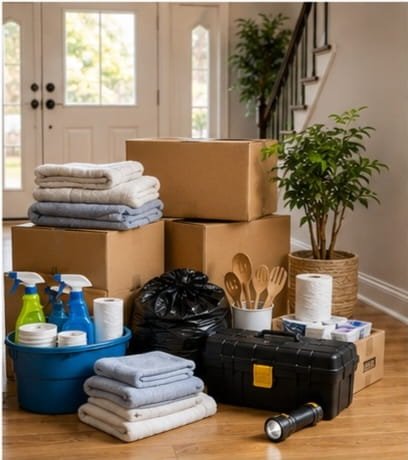
Start With the True First-Night Essentials
The new homeowner essentials you need on your first night are surprisingly ordinary, but they can make moving into a new house much easier. You do not need a perfectly decorated living room or a fully equipped kitchen. You need to be able to use the bathroom, clean up, eat something, sleep comfortably, charge your phone, and deal with the small messes that naturally appear during a move.
A practical first-night box should therefore contain toilet paper, hand soap, towels, toiletries, drinking water, basic dishes, utensils, trash bags, cleaning cloths, a few simple cleaning products, phone chargers, basic lighting, bedding, and some easy food. A small first-aid kit is also sensible because moving boxes, tools, furniture, and tired hands are not always the best combination. The goal is to make the first evening functional rather than impressive.
Before moving day, put these essentials somewhere you can reach them without opening twenty boxes. This is one of those small decisions that feels unnecessary until you are standing in an unfamiliar bathroom at 10 p.m. looking for toilet paper. Keep bedding together, put towels in one bag, and place cleaning supplies where they are easy to access.
If curtains or temporary window coverings are necessary for privacy, treat them as a first-day need rather than a decorative purchase. A useful rule is to ask, “If I could not buy anything tomorrow, what would I absolutely need tonight?” Those answers form your real move-in kit.
Table of Contents
First-night shopping list
- Toilet paper
- Hand soap
- Bath and hand towels
- Basic toiletries
- Drinking water
- Simple dishes and utensils
- Easy food and snacks
- Trash bags
- Basic cleaning supplies
- Bedding and pillows
- Phone chargers
- Flashlight
- First-aid kit
- Temporary privacy coverings where needed

What Home Essentials Should You Buy Before Moving In?
The best things to buy for a new home before moving day are the items that would be inconvenient, uncomfortable, or difficult to live without if they were missing. That usually means bedding, bathroom basics, basic kitchen supplies, cleaning equipment, trash bags, lighting, and a small set of tools. It also makes sense to confirm that important utilities and services are active before you arrive. A new-home checklist from Home Depot similarly recommends activating utilities, cleaning the home, reviewing the inspection report, measuring rooms, and preparing an overnight bag before moving in.
Think of your purchases in three waves. Before moving day, buy things that support basic living and cleaning. During the first week, purchase items you discover you need after spending time in the house. Later, buy decorative pieces, specialty equipment, extra furniture, and upgrades. This approach prevents one of the most common first-time homeowner mistakes: buying based on imagination rather than actual experience. You may think you need six storage baskets for the entryway, only to discover that the entryway is better without them. You may buy a large appliance because it seems useful, then realize you rarely use it. Let the house teach you what belongs in it.
Buying stage | What to prioritize |
Before moving day | Bedding, towels, toiletries, cleaning supplies, basic kitchenware, food, trash bags, lighting, basic tools |
First week | Additional storage, furniture, organizers, missing kitchen items, practical window coverings |
First month | Project-specific tools, outdoor equipment, extra appliances, organization upgrades |
Buy when needed | Specialty gadgets, decorative accessories, advanced tools, seasonal equipment |
Bedroom Essentials for a New Home
A bedroom does not need much to become usable, but the few things it does need should be chosen carefully. A comfortable mattress or sleeping surface is obviously central, followed by sheets, pillows, blankets, and suitable lighting. Privacy is also important, particularly if the room has uncovered windows facing a street or neighboring property. A simple bedside surface can be useful for a phone, glasses, medication, or a lamp, but you do not need to purchase a complete bedroom furniture set immediately.
Storage is another area where patience helps. Instead of buying drawers, organizers, baskets, and closet systems before you know how much clothing and equipment you actually have, start with the storage already built into the room. Live there for a few days. Notice where clothing piles up, where shoes collect, and what becomes difficult to reach. Then purchase storage based on those observations. Your first bedroom should make sleeping and getting dressed easy; it does not need to look like a finished showroom.
| Product Name | Shop |
|---|---|
| Mattress | View on Amazon |
| Bed Pillows | View on Amazon |
| Bed Sheets | View on Amazon |
| Comforter or Duvet | View on Amazon |
| Mattress Protector | View on Amazon |
| Bedside Lamp | View on Amazon |
| Blackout Curtains | View on Amazon |
| Curtain Rod | View on Amazon |
| Hangers | View on Amazon |
| Under-Bed Storage Bags | View on Amazon |
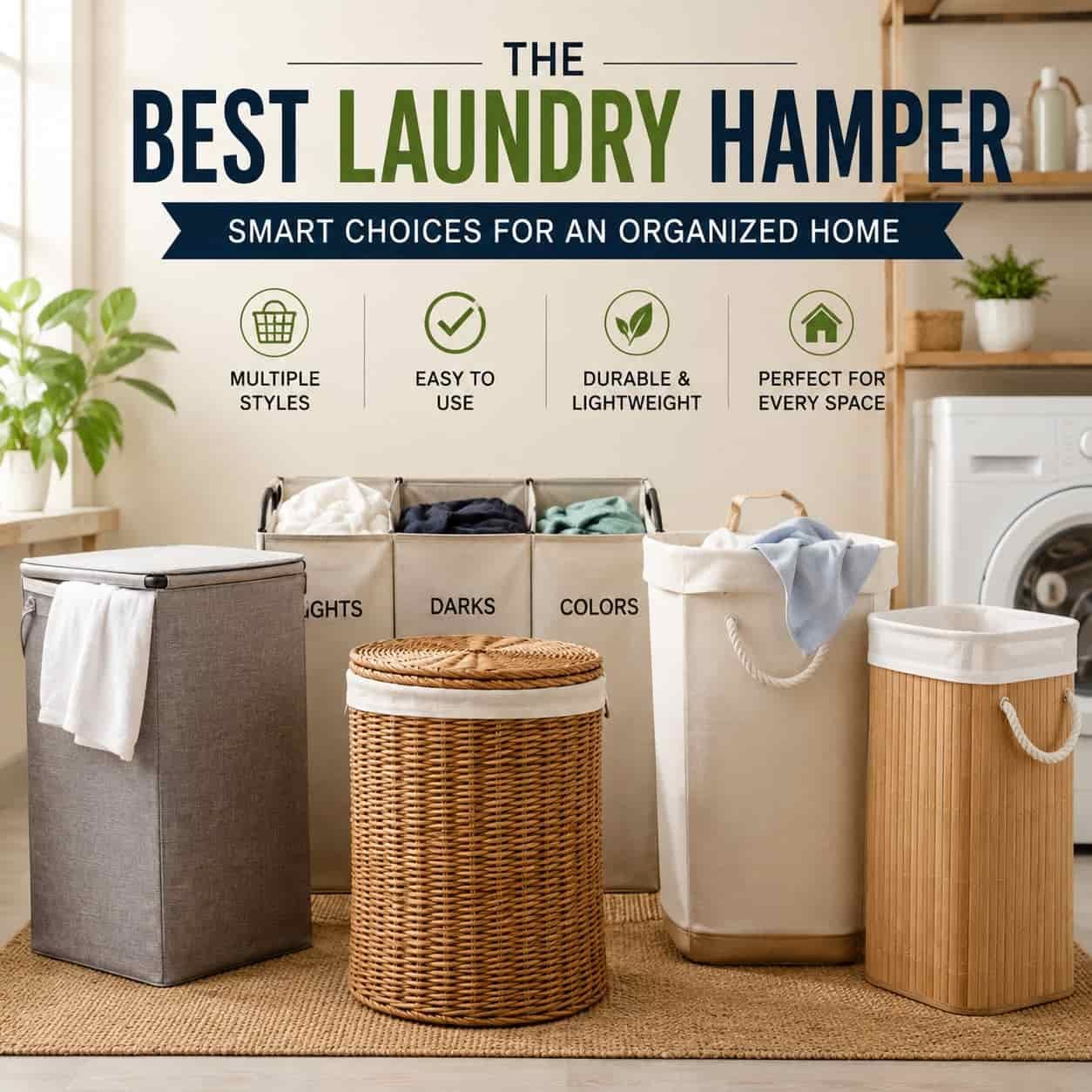
| Laundry Hamper | View on Amazon |
| Bedside Table | View on Amazon |
Kitchen Essentials You Actually Need
A first kitchen can function with far fewer items than most stores would have you believe. You can prepare a surprising number of meals with one or two cooking pans, a pot, a cutting board, a reliable kitchen knife, a few plates and bowls, drinking glasses, mugs, cutlery, basic utensils, and food-storage containers. Add dish soap, a sponge, kitchen towels, trash bags, and a few simple food-preparation tools, and you have the foundation of a working kitchen. If your home already includes major appliances, avoid immediately replacing or adding appliances simply because the kitchen feels empty.
The biggest money-saving trick is to delay specialty gadgets. A single-purpose appliance might look incredibly useful when you see it in a store, but usefulness depends on how often you will actually use it. A first-time homeowner who cooks simple meals several times a week may benefit more from a good cutting board and basic cookware than from a cabinet full of specialized gadgets. Start with versatile items that can perform multiple jobs. Once your cooking habits become clearer, add equipment around the meals you genuinely prepare rather than the meals you imagine you might prepare someday.
Beginner kitchen essentials

Bathroom Essentials
The bathroom is one room where missing a basic item becomes obvious very quickly. Towels, hand soap, toilet paper, toiletries, a bath mat, and toilet-cleaning supplies should be among your earliest purchases. Depending on the bathroom, you may also need a shower curtain and liner, a toilet brush, a small trash can, and simple storage for toiletries. If fixtures and accessories are already installed, check what is actually present before buying replacements. There is little point in purchasing something you already own.
A plunger is another inexpensive item that is better purchased before you need it. Nobody wants to discover a plumbing problem and then begin searching through boxes or rushing to a store. Keep bathroom cleaning supplies together rather than scattering them around the house. A small, organized bathroom kit makes routine cleaning easier and reduces the temptation to postpone unpleasant maintenance tasks.
| Product Name | Shop |
|---|---|
| Bath Towels | View on Amazon |
| Hand Towels | View on Amazon |
| Bath Mat | View on Amazon |
| Shower Curtain | View on Amazon |
| Shower Curtain Liner | View on Amazon |
| Hand Soap Dispenser | View on Amazon |
| Toilet Paper Holder | View on Amazon |
| Toilet Cleaning Brush | View on Amazon |
| Toilet Plunger | View on Amazon |
| Small Bathroom Trash Can | View on Amazon |
| Bathroom Storage Organizer | View on Amazon |
| Shower Caddy | View on Amazon |
Cleaning Supplies Every New Homeowner Should Have
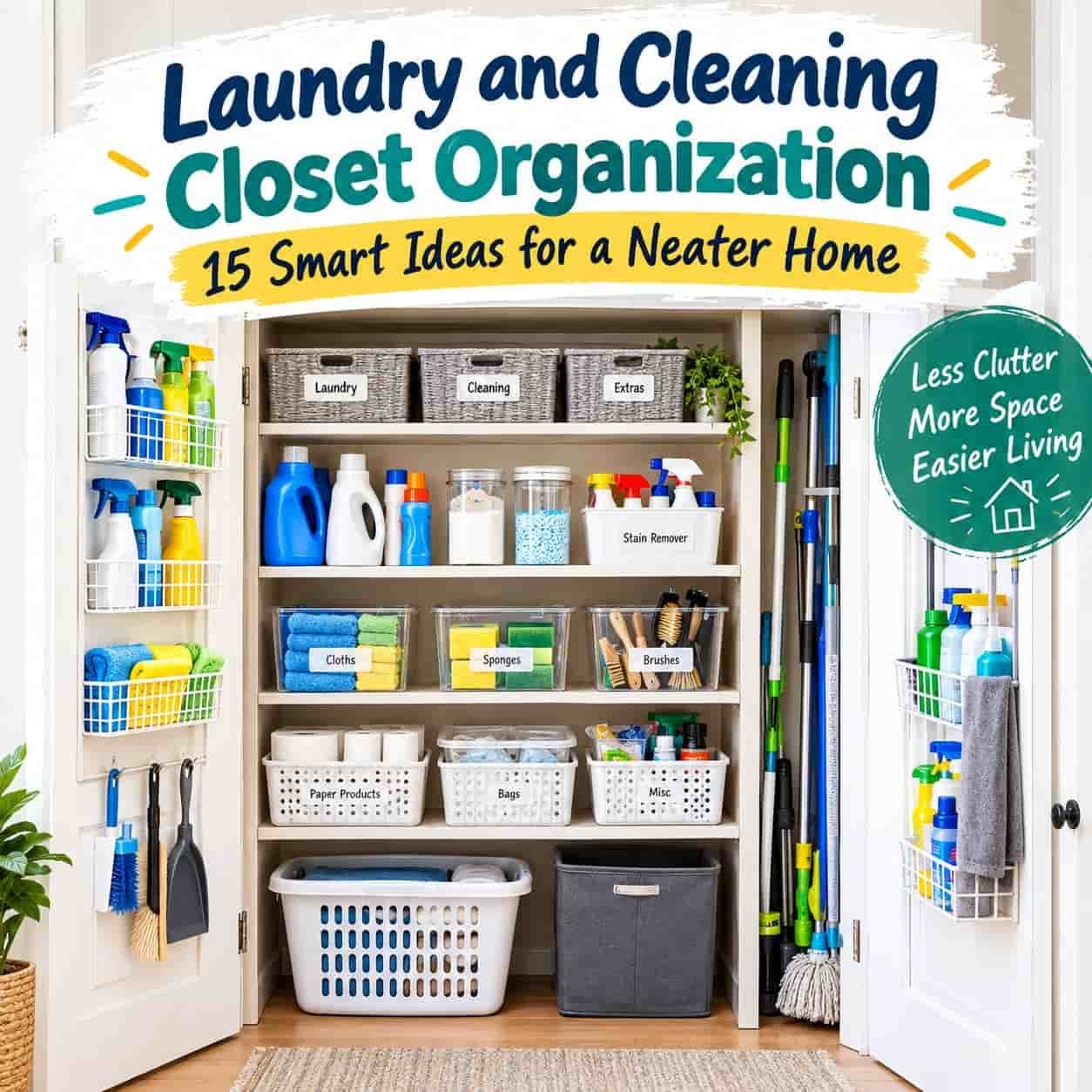
Cleaning supplies are among the most overlooked new homeowner essentials because people often think about furniture before considering practical new homeowner essentials such as cleaning products, trash bags, and basic supplies. Yet an empty house often needs cleaning before it feels like your home, and moving itself creates dust, packaging, footprints, and debris. A practical starter cleaning kit can include an all-purpose cleaner, a suitable disinfecting cleaner, microfiber cloths, sponges, a scrub brush, broom, dustpan, mop, bucket, rubber gloves, and trash bags. Add a vacuum if the flooring and household conditions make one necessary. You do not need a cupboard full of specialized cleaning chemicals on day one.
The important thing is versatility. Microfiber cloths can handle many everyday wiping jobs, while a broom and dustpan quickly deal with dirt before you even reach for a vacuum. A mop is useful for hard floors, and a scrub brush handles jobs where a soft cloth is not enough. Gloves make unpleasant cleaning tasks easier, while trash bags are useful far beyond cleaning because moving produces packaging and unwanted material. A basic cleaning kit is not glamorous, but it is one of the purchases you are least likely to regret.

| Product Name | Shop |
|---|---|
| Microfiber Cleaning Cloths | View on Amazon |
| All-Purpose Household Cleaner | View on Amazon |
| Disinfecting Surface Cleaner | View on Amazon |
| Cleaning Sponges | View on Amazon |
| Scrub Brush | View on Amazon |
| Broom and Dustpan Set | View on Amazon |
| Floor Mop | View on Amazon |
| Cleaning Bucket | View on Amazon |
| Rubber Cleaning Gloves | View on Amazon |
| Household Trash Bags | View on Amazon |
| Glass and Window Cleaner | View on Amazon |
| Toilet Cleaning Brush | View on Amazon |
Complete DIY Home Toolkit: What You Actually Need
Every new homeowner should own a small collection of basic home repair tools because minor problems appear almost immediately. A loose cabinet handle, wobbly chair, picture that needs hanging, screw that needs tightening, or piece of furniture that needs adjustment does not necessarily justify calling someone for help. A current homeowner tool guide also identifies basics such as measuring tape, hammers, screwdrivers, and pliers among the foundational tools worth having.
A sensible beginner toolkit does not need to fill an entire workshop. Start with versatile essential home tools that solve common household problems and add specialized equipment only when a real project requires it.
View Product: Check today’s price on Amazon

Tool | What it helps you do |
Hammer | Drive or remove suitable nails and handle simple household jobs |
Screwdriver set | Tighten hardware, furniture screws, switch plates, and cabinet handles |
Adjustable wrench | Handle many common nuts and fittings |
Pliers | Grip, hold, twist, and pull small components |
Tape measure | Measure walls, furniture spaces, shelves, and rooms |
Utility knife | Open packages and handle suitable cutting tasks |
Level | Check whether shelves, pictures, and furniture are straight |
Hex key set | Assemble and adjust furniture and compatible hardware |
Drill/driver | Drill holes and drive compatible screws |
Drill bits | Match the drill to different materials and fasteners |
Wall anchors | Support suitable wall-mounted items when appropriate |
Screws and nails | Handle common mounting and repair tasks |
Flashlight | Provide light during outages or poorly lit repairs |
Work gloves | Protect hands during suitable household tasks |
Safety glasses | Protect eyes during dusty or flying-debris work |
Electrical tape | Handle limited, appropriate temporary organization or insulation tasks |
Duct tape | Useful for temporary household fixes |
Tools You Can Skip at First
You do not need to become a professional contractor just because you bought a house. Specialized saws, advanced electrical-testing equipment, heavy-duty demolition tools, large ladders, specialized plumbing equipment, and project-specific power tools can generally wait until you have an actual reason to use them. Buying them “just in case” can consume money and storage space while creating another problem: tools require safe storage and responsible use. The better strategy is to build your toolkit around the repairs and projects your house actually presents.
There is also an important safety boundary. Basic homeowner maintenance is not the same thing as doing professional electrical, gas, structural, roofing, or major plumbing work yourself. If a job involves significant risk or requires specialist knowledge, getting qualified help is often the smarter choice. The purpose of a DIY toolkit is to give you confidence with ordinary household tasks, not encourage you to tackle work beyond your experience.
A Realistic Example: Setting Up a Home Without Overspending
Imagine a hypothetical first-time homeowner moving into an empty two-bedroom house with a limited setup budget. Instead of attempting to furnish every room during the first weekend, they divide their purchases into stages. On moving day, they buy bedding, towels, toiletries, food, basic kitchenware, cleaning supplies, trash bags, lighting, and a small tool kit. During the first week, they notice that the kitchen needs additional storage and that one bedroom needs a better privacy covering, so those become the next purchases.
During the first month, they buy only what their daily routine reveals they need. Perhaps they add a vacuum because sweeping is inconvenient, a small desk because they begin working from home, and additional cookware because they cook more often than expected. Decorative items remain at the bottom of the list. This approach gives the homeowner something much more valuable than a perfectly furnished house: financial breathing room.
How to Prioritize Your New Home Shopping List
The easiest way to manage a home essentials checklist is to divide your home essentials checklist into four priorities: immediate needs, first-week needs, future purchases, and optional upgrades.
Priority 1: Need immediately. These are items required for sleeping, eating, hygiene, cleaning, safety, and basic functioning.
Priority 2: Need soon.These are useful purchases to consider after moving into a new house, such as additional storage, practical furniture, better lighting, or missing kitchen equipment.
Priority 3: Buy when needed.These include new homeowner essentials such as project-specific tools, outdoor equipment, specialized cleaning devices, and equipment connected to particular repairs.
Priority 4: Optional upgrades. Decorative objects, luxury appliances, artwork, specialty gadgets, and aesthetic improvements can wait.
This system also works when money is tight. Instead of asking, “What does my house need?” ask, “What does my life in this house need right now?” That small change makes the shopping list much more realistic.

Final First-Time Homebuyer Essentials Checklist
A practical first home checklist should be short enough to use while shopping and broad enough to prevent obvious omissions.
Move-In Day
Bedroom
Kitchen
Bathroom
Cleaning
Safety
DIY Tools
Later Purchases
The most important lesson is that a new house does not need to become a finished home overnight. Give yourself permission to live with a few empty shelves and undecorated walls. Your first purchases should make the home usable, safe, clean, and comfortable; everything else can follow when your routines and priorities become clearer.

Conclusion
The best first-time homebuyer essentials are not necessarily the most exciting things in the store. They are the ordinary items that make your first days easier: clean towels, toilet paper, bedding, basic cookware, cleaning supplies, lighting, trash bags, and a dependable collection of basic tools. Once those needs are covered, resist the temptation to fill every empty space immediately. A house becomes easier to set up when moving into a new house is treated as a series of decisions rather than one giant shopping trip, allowing you to buy new homeowner essentials as you actually need them.
Start with the new homeowner essentials you need to sleep, eat, clean, wash, and handle simple problems, then gradually add other things to buy for a new home. Then watch how you actually use the home. That observation will tell you which furniture, organizers, appliances, tools, and decorations deserve a place in your budget. A thoughtful first-home setup is not about owning everything; it is about owning the right things at the right time.
FAQs
What should I buy first for my new home?
Buy the items you need for sleeping, hygiene, food, cleaning, safety, and basic repairs first. Bedding, towels, toiletries, simple kitchenware, cleaning supplies, trash bags, lighting, and a basic tool kit are strong starting points.
What should I have before moving day?
Before moving day, have bedding, towels, toiletries, toilet paper, hand soap, food, water, basic dishes, cleaning supplies, trash bags, phone chargers, lighting, and essential tools ready. Keep these items together so they are easy to find.
What are the most important first-time homebuyer essentials?
The most important essentials are those that support everyday living: bathroom supplies, bedding, basic kitchenware, cleaning equipment, lighting, emergency supplies, and basic home repair tools.
What tools should every new homeowner have?
Every new homeowner should consider starting with a hammer, screwdriver set, pliers, adjustable wrench, tape measure, utility knife, level, hex keys, flashlight, and suitable safety equipment. A drill/driver becomes useful for many projects as your DIY experience grows.
What should be in a basic DIY home toolkit?
A practical DIY home toolkit can contain hand tools, measuring tools, fastening supplies, a drill/driver, appropriate bits, wall anchors, flashlight, work gloves, safety glasses, and a few common household repair supplies.
What cleaning supplies do I need for a new house?
Start with an all-purpose cleaner, microfiber cloths, sponges, scrub brush, broom, dustpan, mop, bucket, gloves, trash bags, and a vacuum if needed. Add specialized cleaners only when a specific surface or cleaning problem requires them.
What kitchen essentials should I buy first?
Start with basic cookware, plates, bowls, glasses, mugs, cutlery, a cutting board, kitchen knife, cooking utensils, food-storage containers, dish soap, sponges, and kitchen towels. Specialty appliances can wait until your cooking habits justify them.
What home items can I wait to buy?
Decorative accessories, artwork, extra furniture, specialty kitchen gadgets, large storage systems, seasonal equipment, and nonessential appliances can usually wait. Living in the home first helps you determine what you genuinely need.
Affiliate Disclosure :
We only recommend products, tools, and home essentials that we believe may be useful to our readers. Our recommendations are based on research, product features, usefulness, and suitability for everyday home needs.
Using an affiliate link does not increase the price you pay. Your support through these links helps us maintain HomeSetupPost and continue creating helpful home and kitchen content.
Thank you for supporting HomeSetupPost.






Affiliate Disclosure
Home Setup Post is a participate in the Amazon Service LLC Associate Program. As an Amazon Associate, Home Setup Post earns from qualifying purchases by linking to Amazon.com.
© 2026 – Home Setup
